The Pill’s Story: A History and Complete Guide to Hormonal Birth Control Side Effects
Origins of Hormonal Birth Control — A Brief Overview
Hormonal birth control (the pill, hormonal IUDs, implants) was created to prevent pregnancy by suppressing ovulation, thickening cervical mucus, and altering the uterine lining. Its development in the 1950s involved a mix of scientific innovation, political advocacy, and contested ethics: Gregory Pincus and John Rock led the biomedical research; Katharine McCormick funded key work; and Margaret Sanger’s activism helped create the political space for contraception research and dissemination. Early trials demonstrated clear contraceptive efficacy, but they also raised ethical concerns about informed consent and unequal testing practices—especially in colonial and marginalized populations—issues that reverberate through the pill’s history. Enovid, initially prescribed for menstrual disorders, was approved for contraceptive use in 1960 and quickly became widely adopted, catalyzing major social and healthcare shifts as well as new debates about safety, regulation, and reproductive autonomy. (Source: The Harvard Crimson; historical reviews)
Timeline — key moments
1920s–1950s: Foundational hormone research established estrogen and progesterone’s roles in reproduction; laboratory and clinical pioneers (including Pincus and Rock) advanced early formulations and delivery concepts. (See historical review)
Late 1950s–1960: Large clinical programs (notably trials in Puerto Rico and other sites) demonstrated effectiveness and helped secure FDA approval of Enovid for contraception in 1960. These trials accelerated access but also prompted later scrutiny over consent, participant protections, and unequal power dynamics in research settings. (See The Harvard Crimson coverage and historical analyses)
1960s–1970s: Rapid global uptake coincided with social change (sexual revolution, women’s liberation). Concerns about safety—thrombotic events, side effects, and lack of full disclosure—led to reformulation efforts and the emergence of patient advocacy demanding better information and options.
1980s–1990s: Pharmaceutical refinements produced lower‑dose combined pills and expanded non‑oral options (progestin‑only pills, implants, and hormonal IUDs). Regulatory attention and epidemiological studies clarified some risk profiles (e.g., VTE) and helped tailor prescribing guidance.
2000s–present: Ongoing refinement of progestins and delivery methods, expanded research into systemic effects (mood, nutrient interactions, microbiome implications), and growing emphasis on informed consent, shared decision‑making, and non‑hormonal alternatives. Contemporary debates integrate biomedical evidence with reproductive justice concerns, acknowledging both the pill’s transformative public‑health benefits and the importance of transparent discussion of side effects and individual risk. (Sources: PMC historical review; The Harvard Crimson)
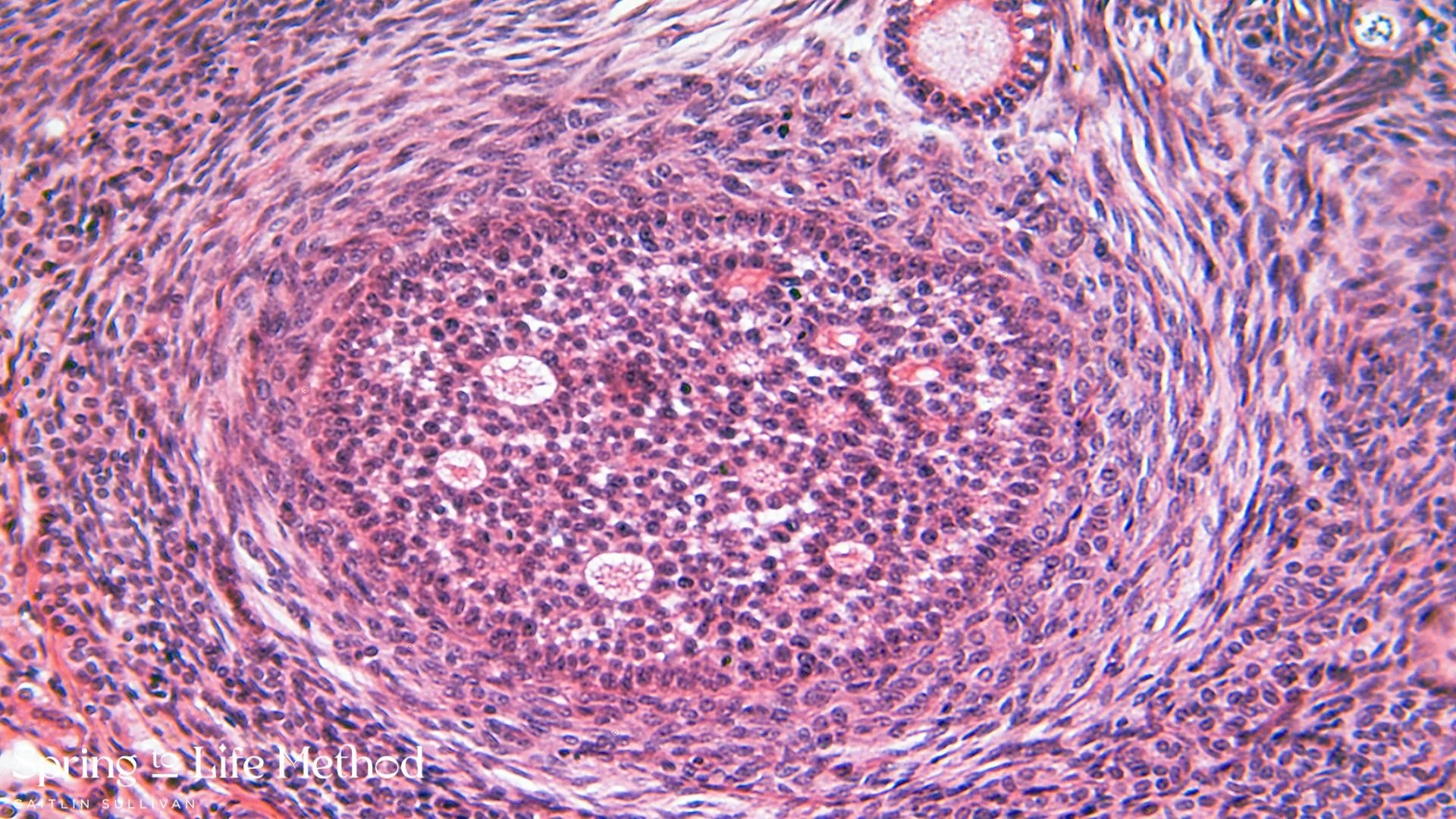
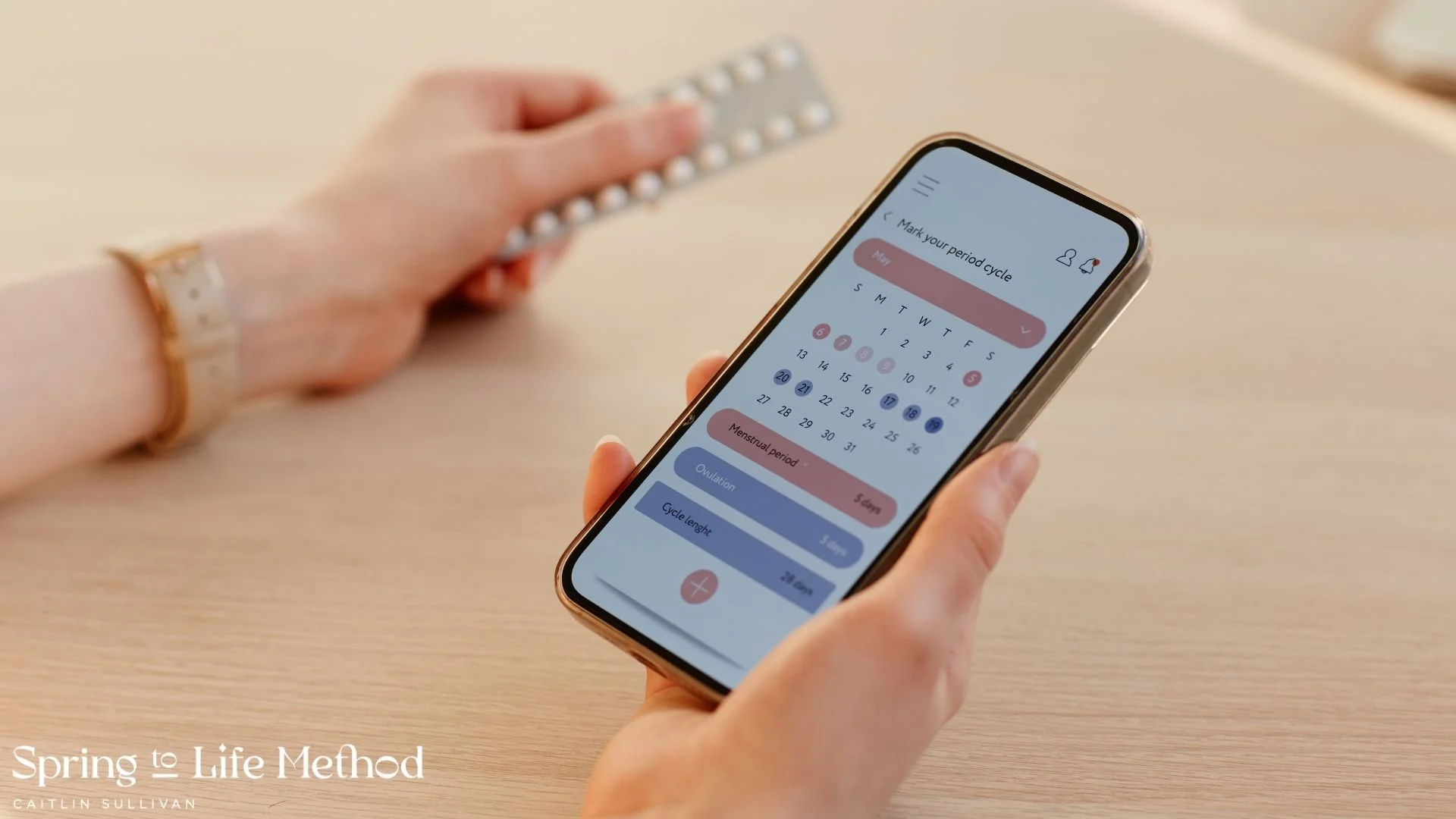
Tracking your natural cycle allows you to build a deeper relationship with your body
Common Hormonal Birth Control Methods
The pill (combined and progestin‑only)
Hormonal IUDs (e.g., Mirena, Skyla)
Implants (e.g., Nexplanon)
Injectables (e.g., Depo‑Provera)
All deliver synthetic hormones systemically or locally and can cause a range of birth control side effects in some users.
Detailed List of Side Effects and Risks
Note: not everyone will experience these; effects vary by formulation and individual risk factors.
Common/relatively frequent side effects:
Breakthrough bleeding, spotting, or changes to menstrual pattern
Nausea, breast tenderness, bloating
Headaches (new or worsened)
Changes in libido (decrease or, less commonly, increase)
Acne improvement or worsening depending on formulation
Mood changes, increased anxiety or depressive symptoms for some users (see mood research below)
Weight fluctuations or perceived body‑composition changes (evidence mixed)
Reproductive, metabolic, and nutrient‑related effects
Suppression of ovulation and altered endogenous hormone rhythms (this is the intended contraceptive effect).
Potential depletion or altered metabolism of several vitamins/minerals—most consistently reported: folate, vitamin B6, and vitamin B12—as well as possible effects on zinc and magnesium; these changes can affect neurotransmitter synthesis and general metabolic health.
Gut, vaginal, and microbiome effects
Increased susceptibility to yeast (Candida) overgrowth or recurrent vaginal infections for some people.
Potential shifts in vaginal and possibly gut microbiota composition; data are evolving, but systematic reviews show contraceptive methods can be associated with measurable changes in cervicovaginal microbiota for some users.
Sexual function and mental health
Decreased sexual desire, arousal difficulties, or changes in orgasmic response are commonly reported by users.
Several large observational studies have linked hormonal contraception use with subsequent antidepressant prescriptions and new diagnoses of depression in subsets of users, especially adolescents — indicating mood effects are an important birth control side effect to consider for some people. (See source: nationwide cohort study.)
Less common but notable side effects
Gallbladder disease risk may be elevated in some users (more with higher estrogen doses).
Migraine changes: some users experience worsening migraines; combined hormonal methods carry an elevated stroke risk in people with migraine with aura.
Elevated blood pressure in predisposed users (monitoring recommended).
Serious but rarer risks (individual risk varies)
Venous thromboembolism (VTE): combined estrogen‑containing methods increase the risk of DVT/PE compared with non‑use; absolute risk depends on age, smoking status, BMI, and personal/family history, but the increased risk is well documented. pmc.ncbi.nlm.nih.gov
Small increases in arterial events (stroke, myocardial infarction) in certain high‑risk groups (e.g., smokers, older users, migraine with aura).
Hepatic effects: rare benign liver tumors and extremely rare severe hepatic events.
Potential benefits to keep context balanced
Highly effective pregnancy prevention when used correctly (varies by method)
Some methods reduce menstrual bleeding, dysmenorrhea, ovarian cysts, and lower risk of ovarian and endometrial cancer
Improvement in acne for many users on certain combined oral contraceptives
Mechanisms Behind Side Effects — How and Why This Can Happen
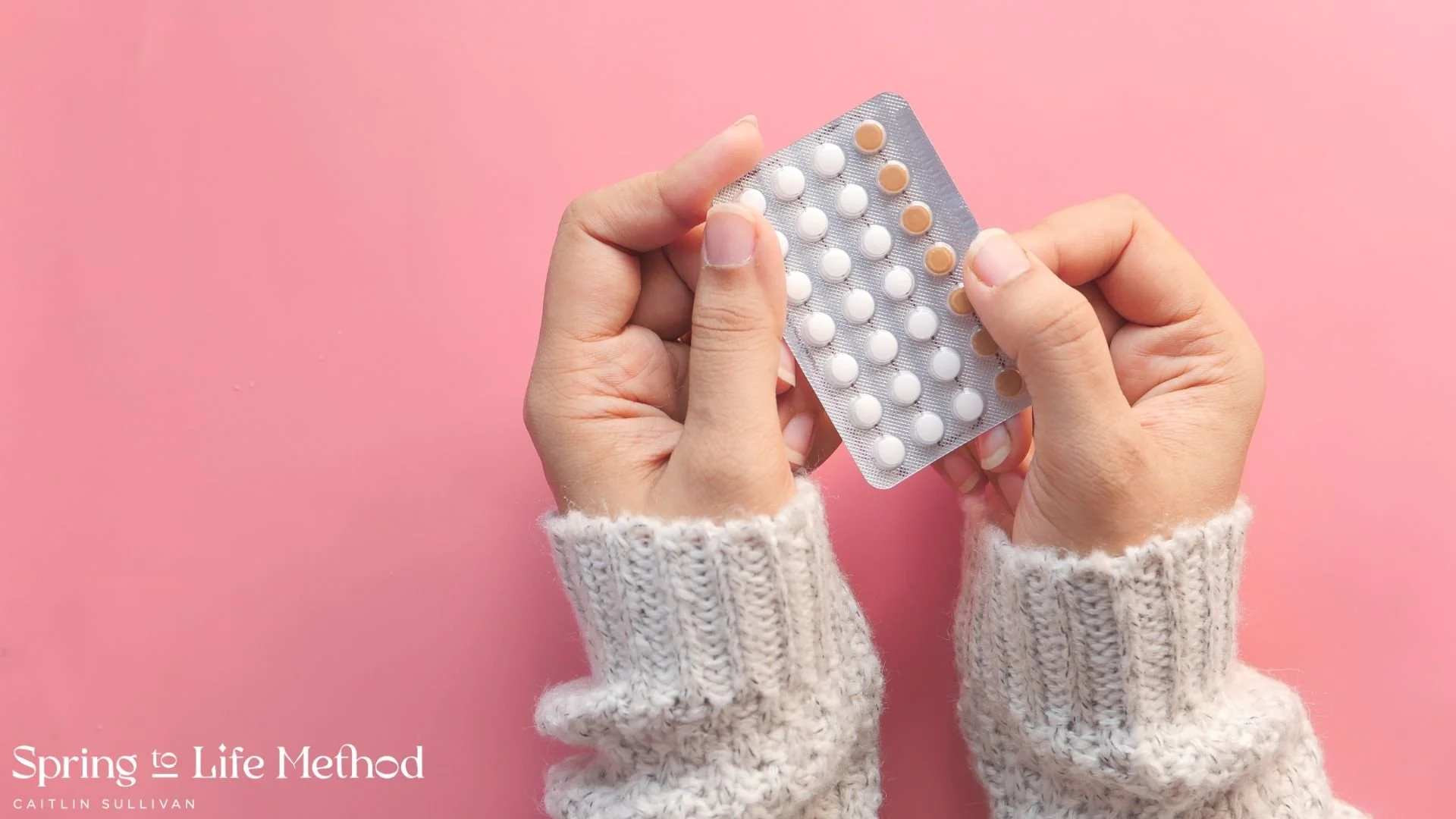
The Pill's placebo doses trick you into thinking you're having a period
Hormone suppression: exogenous hormones change endogenous hormone rhythms and availability, which can affect mood, libido, and other systems.
Nutrient interactions: oral contraceptives have been associated with lower circulating levels or altered metabolism of folate, vitamin B6, and B12 in multiple studies and reviews; because these nutrients are involved in neurotransmitter synthesis (e.g., serotonin) and methylation pathways, deficiencies can plausibly contribute to mood and neurologic symptoms.
Microbial and mucosal changes: hormone‑driven changes in the vaginal and gut mucosal environments can favor different microbial communities (including Candida or BV‑associated bacteria in some contexts), which in turn can affect inflammation and symptom burden.
Signs Your Body Might Be Reacting
Watch for patterns that begin or worsen after starting hormonal birth control:
New or increased anxiety, depression, or mood instability (track and discuss with a clinician).
Changes in libido or sexual satisfaction
Digestive issues, recurrent yeast or vaginal infections, or acne
Unexplained fatigue, hair changes, or abnormal nutrient lab results
Practical Steps — What You Can Do (Clinical + Self‑Care)
Baseline and follow‑up testing
Consider labs for nutrient markers (B6, B12, folate, zinc, magnesium), relevant hormone testing if symptomatic, and inflammatory markers if indicated. Work with your clinician to choose tests and interpret results. academic.oup.com
Improve diet and nutrient intake
Emphasize whole foods high in B vitamins and supportive minerals: fatty fish, pastured meats and liver (if you eat it), legumes, bananas, dark leafy greens, nuts, seeds, and a broad range of plants.
Consider targeted supplements
If diet alone isn’t sufficient, practitioner‑recommended supplements can help restore nutrients. Examples I recommend in other posts include
Wellbel (folate, B12, hormone‑balancing herbs) — use code CAITLIN15
Needed. Women’s Multivitamin (B vitamins including methylated forms and supportive nutrients) — CAITLINS20. Consult your clinician before starting supplements.
Support gut and vaginal microbiomes
Aim for a diverse, fiber‑rich diet with prebiotic foods, consider targeted probiotics for gut/vaginal health if indicated, and treat infections appropriately under clinical guidance.
Address infections and overgrowths with a clinician
If you have recurrent yeast infections or bacterial vaginosis, work with your provider on diagnosis and recurrence prevention; treat the underlying microbial imbalance while supporting immunity and nutrients.
Review contraceptive options with your provider (shared decision‑making)
If you suspect the pill or another hormonal method is causing adverse effects, discuss non‑hormonal alternatives (copper IUD, barrier methods, fertility awareness) and supervised transition plans. My ebook Ditch the Pill: A Roadmap to Reclaiming Your Hormonal Health offers detailed guidance on safely transitioning off hormonal birth control, cycle tracking, and recovery support.
Recovery & Timelines After Stopping Hormonal Birth Control
Timelines vary: some people notice symptom improvement in weeks; for others, nutrient repletion and microbiome recovery can take months. Track symptoms, recheck labs as needed, and work with a clinician for a tailored plan.
Risk Assessment & Shared Decision‑Making
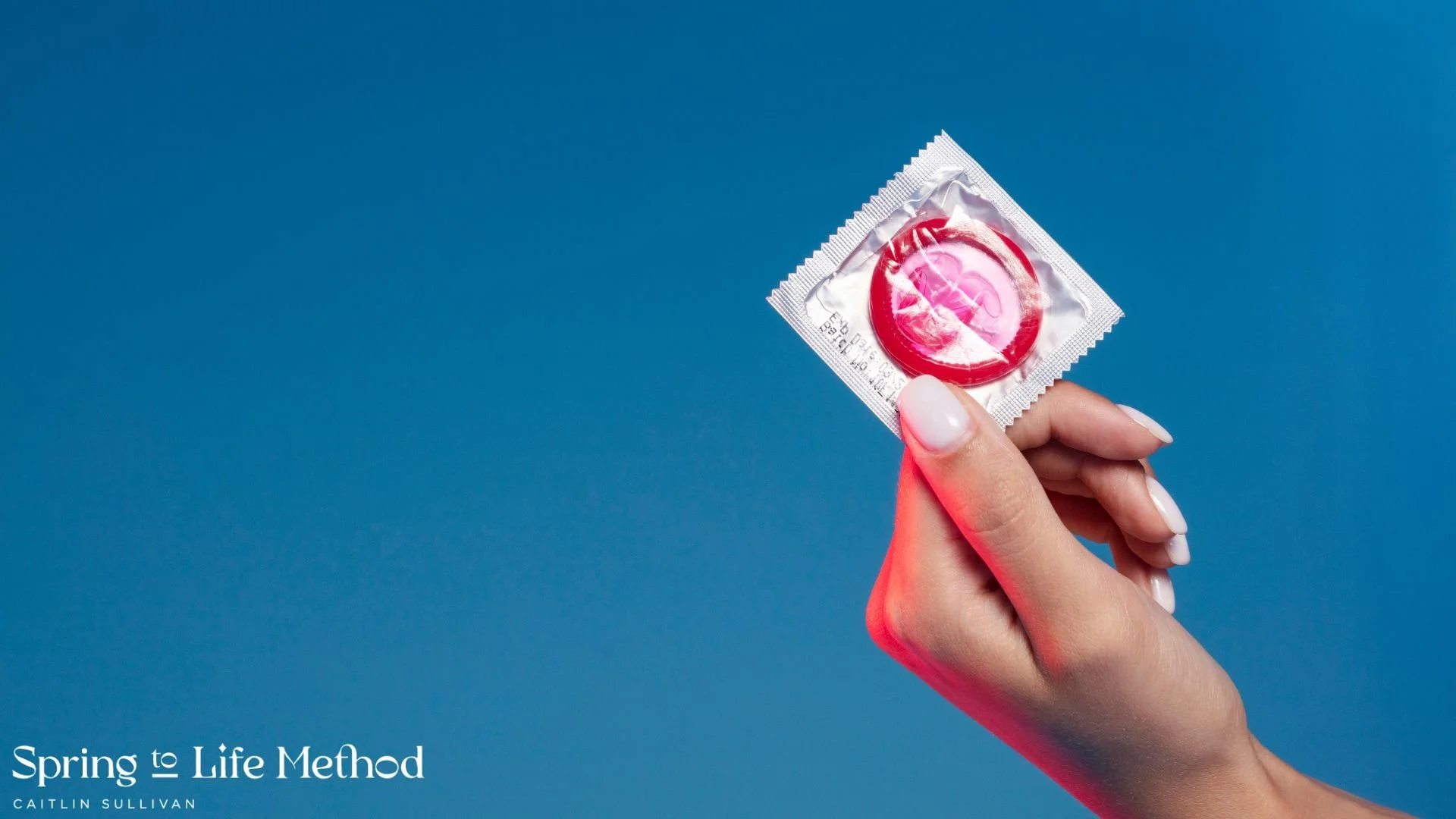
Barrier methods like condoms are a side-effect-free contraceptive option
Choosing birth control is a personal decision that should weigh benefits, risks, and alternatives. Work with a clinician who listens, reviews your medical history (including clotting risk, migraines, smoking status), and helps you interpret labs and symptoms. You’re entitled to explore options if one method causes side effects.
Final thoughts
The pill and other hormonal birth control methods transformed reproductive health and provide important benefits for many people, but meaningful birth control side effects do occur in subsets of users. Recognizing symptoms, testing nutrients and hormones, supporting gut and vaginal health, and exploring non‑hormonal options are practical steps to protect your wellbeing. For a comprehensive roadmap on transitioning off hormonal birth control and reclaiming your hormonal health, see my ebook Ditch the Pill
Quitting hormonal birth control can feel like stepping into the unknown. Will you face acne, irregular cycles, or mood swings? How do you advocate for yourself with your doctor? With Ditch the Pill, you’ll get a clear, step-by-step roadmap to navigate the transition—without the stress.
This 70+ page eBook, paired with a powerful workbook, gives you the tools to:
Understand Your Hormones: Learn exactly what happens in your body when you stop the pill and how to prepare for the shift.
Know Your Bloodwork: Discover precisely which blood panels to request to assess your hormonal health and track your recovery.
Talk to Your Doctor: Get expert tips on how to confidently discuss getting off hormonal birth control with your healthcare provider.
Ease Symptoms: Tackle common challenges like acne, irregular periods, and mood changes with proven strategies.
Nourish Your Body: Explore hormone-friendly nutrition and lifestyle tips to detox and rebalance.
Track Your Progress: Use the included symptom tracker, meal planner, and cycle tracking template to stay in control.
Why Now?
Your hormonal health can’t wait. For just $9.00, you get everything you need to transition off the pill with ease. Grab it now and start your journey to hormonal freedom!
Get Your Copy Now for $9.00
Instant download. Secure checkout. 100% satisfaction guaranteed.
Still Hesitating?
We get it—stopping the pill can feel daunting. That’s why Ditch the Pill is packed with expert advice, including how to ask for the right blood panels and confidently talk to your doctor, to make the process smooth and empowering. You’ve got this!
Start Your Journey Today

My Story
After years of chronic pain and frequent migraines following my ballet career, I became a Pilates instructor, hoping movement would restore balance to my body. Still, I struggled with cystic acne, food sensitivities, low libido, and recurring yeast infections. Doctors handed me the same solution over and over: birth control.
But something inside me questioned this one-size-fits-all prescription. When I finally began studying holistic health, I was blown away by the concept of the menstrual cycle’s phases, cycle syncing, and how detrimental hormonal birth control really is for women’s health.
This led me to become a Holistic Hormone Health Coach, to start my brand Spring to Life Method, and eventually to train in the FEMM Fertility Awareness Method. Today, I guide women to embrace their natural cycles, balance hormones without drugs, and live cyclically with nutrition, Pilates, and low-tox choices.
References
The Harvard Crimson. “The Bitter Pill: Harvard and the Dark History of Birth Control.” September 28, 2017. https://www.thecrimson.com/article/2017/9/28/the-bitter-pill/
Skovlund CW, Mørch LS, Kessing LV, Lidegaard Ø. “Association of Hormonal Contraception With Depression.” JAMA Psychiatry. 2016;73(11):1154–1162. PubMed: https://pubmed.ncbi.nlm.nih.gov/27680324/
Tone A. “How the Pill Became a Lifestyle Drug.” American Journal of Public Health / historical review (PMC). https://pmc.ncbi.nlm.nih.gov/articles/PMC3464843/
Zimmermann MB, Hurrell RF. “Nutrient–drug interactions: oral contraceptives and micronutrients (folate, B6, B12, etc.).” Nutrition Reviews. (Review discussion summarizing evidence on OC–nutrient interactions.) https://academic.oup.com/nutritionreviews/article/69/10/572/1866655
Borgdorff H, et al. “Hormonal contraceptives and the cervicovaginal microbiome: a review.” Frontiers/PMC (systematic review of contraceptive associations with vaginal microbiota). https://pmc.ncbi.nlm.nih.gov/articles/PMC5990849/
CDC. “U.S. Medical Eligibility Criteria for Contraceptive Use — Combined Hormonal Contraceptives.” Guidance on risks including VTE and contraindications. https://www.cdc.gov/contraception/hcp/usmec/combined-hormonal-contraceptives.html
Ebell MH, et al. “Oral contraceptives and risk of venous thromboembolism: review and meta-analyses.” (Recent reviews and meta-analyses on VTE risk with combined hormonal contraceptives.) https://pmc.ncbi.nlm.nih.gov/articles/PMC11075397/
PBS — American Experience. “Eugenics and Birth Control.” (American Experience episode/resource) https://www.pbs.org/wgbh/americanexperience/
Bill of Rights Institute. “The Birth Control Pill.” https://billofrightsinstitute.org/