How Hormones Dramatically Impact Your Oral Health: What Every Woman Needs to Know
Did you know your hormones could be secretly sabotaging your oral health? It’s true. Fluctuating levels of estrogen and progesterone during different stages of your fertility journey can trigger dry mouth, tender or irritated gums, and gingivitis. From menstrual cycles and oral contraceptives to pregnancy and menopause, hormonal shifts significantly affect women’s oral health. The good news? Once you understand what to expect and how to maintain balance, you can protect your smile at every stage.

The Science Behind Hormones and Oral Health
How Estrogen and Progesterone Affect Your Mouth
Female hormones fluctuate dramatically — daily, monthly, during pregnancy, and through the transition from perimenopause to menopause. Research shows that elevated estrogen and progesterone levels increase blood flow to the gums and heighten inflammation. Conversely, low estrogen levels can lead to dry mouth and a higher risk of periodontal disease.
The Saliva Connection
Saliva plays a critical role in maintaining balance in your oral microbiome. It lubricates food, protects mucosal surfaces from microbial overgrowth, clears debris, buffers acids, and aids in the remineralization of teeth. Hormonal fluctuations can disrupt salivary production and pH balance, triggering a cascade of oral health issues.
Menstrual Cycle and Your Gums
Is Your Mouth PMS-ing?
In one recent study, 59 out of 100 women reported oral changes during PMS (the 7–10 days before their period). Symptoms included halitosis, bleeding gums, ulcers, altered taste sensation, and burning sensations. For some women, these issues meaningfully affect quality of life and daily activities.
Monthly Hormonal Fluctuations
These changes typically occur during the luteal phase of the menstrual cycle. After ovulation, estrogen drops while progesterone rises. Progesterone influences the immune system and inflammatory response. While the study didn’t measure actual progesterone levels, many women successfully reduce or eliminate PMS symptoms (including oral ones) through stress management, whole-food nutrition, and supportive lifestyle changes.
Hormonal Contraceptives and Your Oral Health
Many women are told hormonal contraceptives (the pill, IUDs, implants, and others) are a completely safe way to regulate the body. However, they come with side effects — including several that impact oral health. A study conducted in Saudi Arabia found that women using the pill had higher rates of gingival bleeding, dental caries, and oral ulcers, along with poorer overall periodontal and gingival health.
Common oral alterations reported with oral contraceptive pills (OCPs) include gingivitis, papillae irritation, gingival pregnancy-type epulis, erythema of the gingiva, mucosal coloration, gingival bleeding, and inflammation. Due to limited awareness, many of these changes go unreported by users.
Pregnancy and Your Oral Health: What to Expect
Pregnancy Challenges
Pregnancy brings nausea, vomiting, cravings, and fatigue — all of which can affect your oral health and microbiome. Many women also skip dental visits during this time, making gingivitis especially common. Inflamed, sensitive gums can lead to brushing aversion, which, if left untreated, may progress to periodontal disease.
Why Pregnancy Affects Your Mouth
Surging estrogen and progesterone during pregnancy can be particularly hard on oral tissues. One study comparing cycling, pregnant, and menopausal women found that pregnant women had notably lower salivary production and lower salivary pH.
Pregnancy Oral Care Action Plan
Healthcare providers should guide pregnant women on maintaining excellent oral hygiene. Consistent brushing, flossing, and regular dental visits are essential. Not only does this support the mother’s long-term oral health, but it can also improve pregnancy outcomes — severe periodontal disease has been linked in some studies to preterm birth and low birth weight.
Menopause and Oral Health: Navigating the Changes
The Menopausal Mouth
Unlike pregnancy, menopause brings very low estrogen levels. Interestingly, oral health impacts look remarkably similar: low salivary production and lower pH. This suggests that for women, oral health depends more on physiological state than chronological age.
Common Menopausal Oral Symptoms
Studies show menopausal women frequently experience dry mouth, rapid plaque accumulation, and periodontal deterioration. Dry mouth increases the risk of infections, cavities, and tooth decay. These symptoms often worsen over time without proper management.
Menopause Oral Care Strategy
Perimenopausal and menopausal women should receive clear guidance from their healthcare providers about how hormonal changes affect oral health. Maintaining regular dental visits and consistent home care remains essential.
Expert-Backed Prevention Strategies for Hormones and Oral Health
The good news is there are many effective, holistic ways to support your oral health at home — no matter which stage of the fertility continuum you’re in.
DIY Mouthwash
Mix 1 cup of warm water with ¼ tsp of baking soda and ⅛ tsp of salt. Swish for a few moments, rinse, and repeat every few hours as needed.
I can personally attest to this remedy — it was a lifesaver for dry, sensitive mouth during chemotherapy.
Chew Xylitol Gum
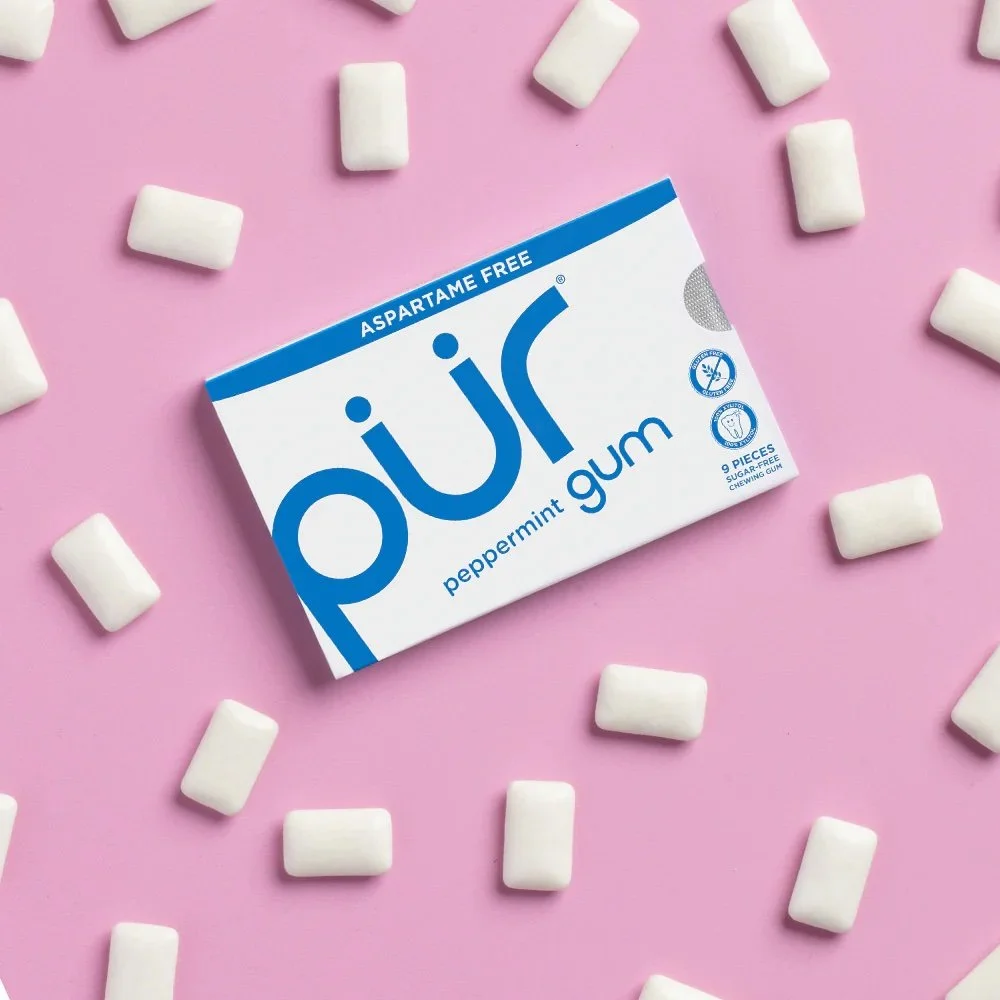
Xylitol gum inhibits cavity-causing bacteria, stimulates saliva flow, and helps balance oral pH. Look for brands like Spry, Zellie’s, or Pur — often available near grocery store checkouts.
Oil Pulling
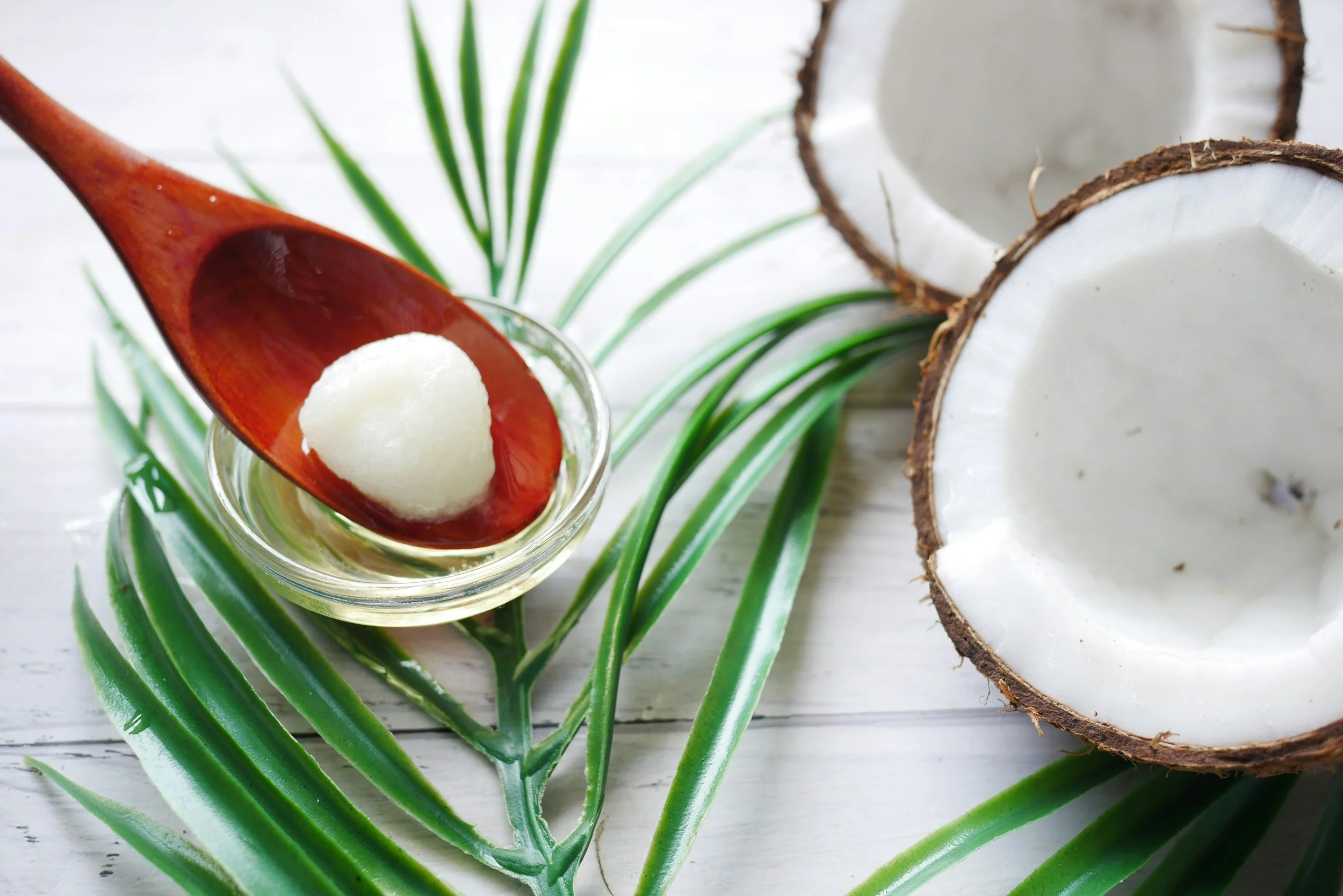
Swishing about 1 tablespoon of coconut, sesame, or olive oil in your mouth for 10 minutes can clean teeth and soothe irritation. This ancient Ayurvedic practice has been used for centuries. Start with shorter times if needed and never spit the oil down the drain. For better taste and effectiveness, try Oliveda’s Mouth Pulling Oils.
Tongue Scraping
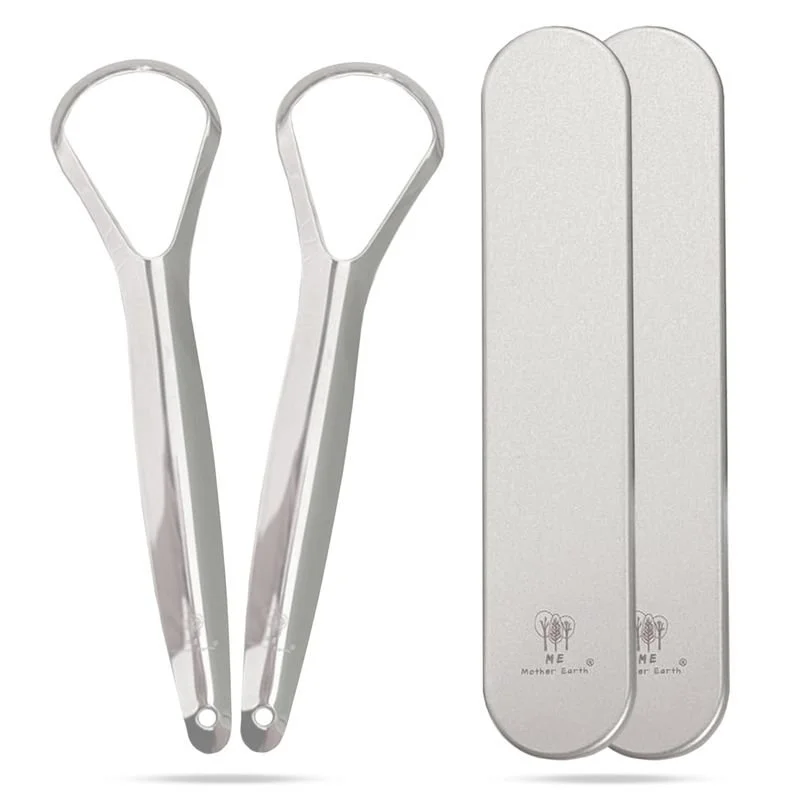
Another Ayurvedic favorite: Use a dedicated metal tongue scraper to gently remove the film on your tongue. This reduces bacteria, freshens breath, improves taste, and supports digestion.
Brush Twice a Day
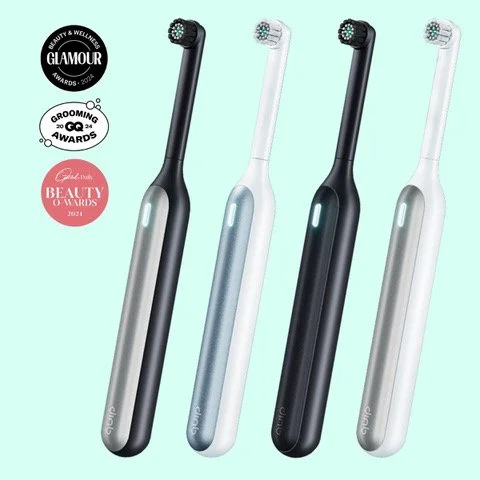
Brushing for two full minutes twice daily is the minimum for good oral health. I’ve used my Quip toothbrush for almost 10 years — the replacement heads arrive automatically every three months, and the built-in two-minute timer with 30-second buzzes helps me brush thoroughly every time.
Floss Daily
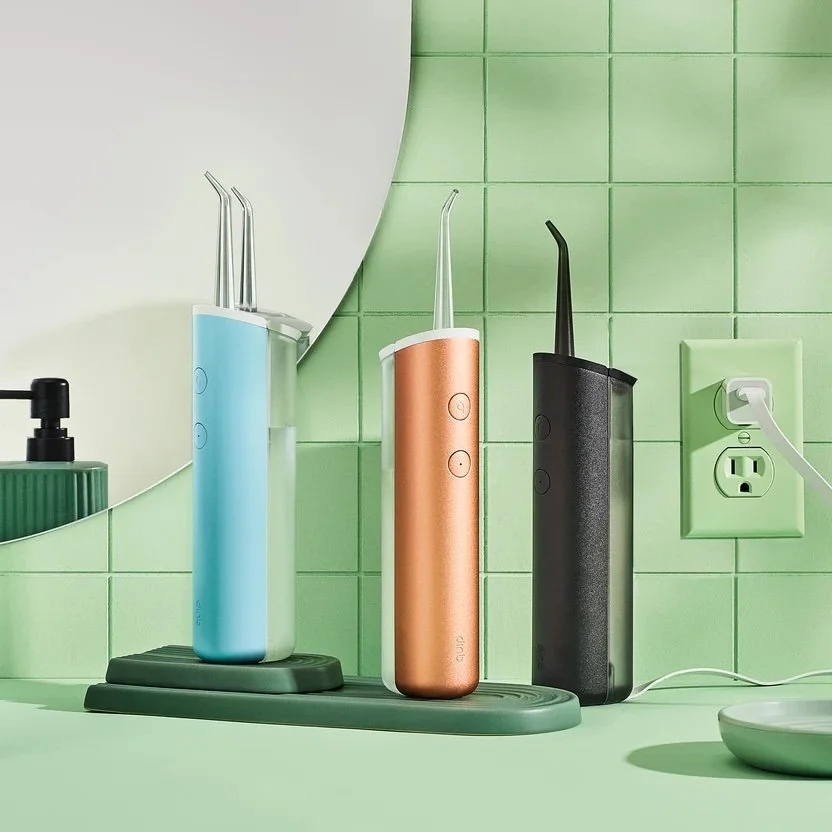
Flossing is one of the most important habits for gum health. I prefer natural fiber floss like this one from Zebra to avoid microplastics, but I also love my Quip water flosser — it’s sleek, rechargeable, and matches my toothbrush perfectly.