Balanced Blood Sugar Recipes: Fuel Your Body for Happy Hormones
Hey there! I'm thrilled to welcome you to my brand-new website and newsletter series, Balanced Blood Sugar Recipes. If you've ever felt overwhelmed by the endless advice on what to eat for better health—especially as a woman—this is your go-to resource. We're diving deep into simple, delicious recipes and tips that prioritize hormone balance through balanced blood sugar. Whether you're battling brain fog, PMS woes, hormonal acne, or just want steady energy and mood all day, I've got you covered. Sign up for the newsletter to get exclusive recipes, meal ideas, and updates delivered straight to your inbox. Let's make food fun, functional, and hormone-friendly!
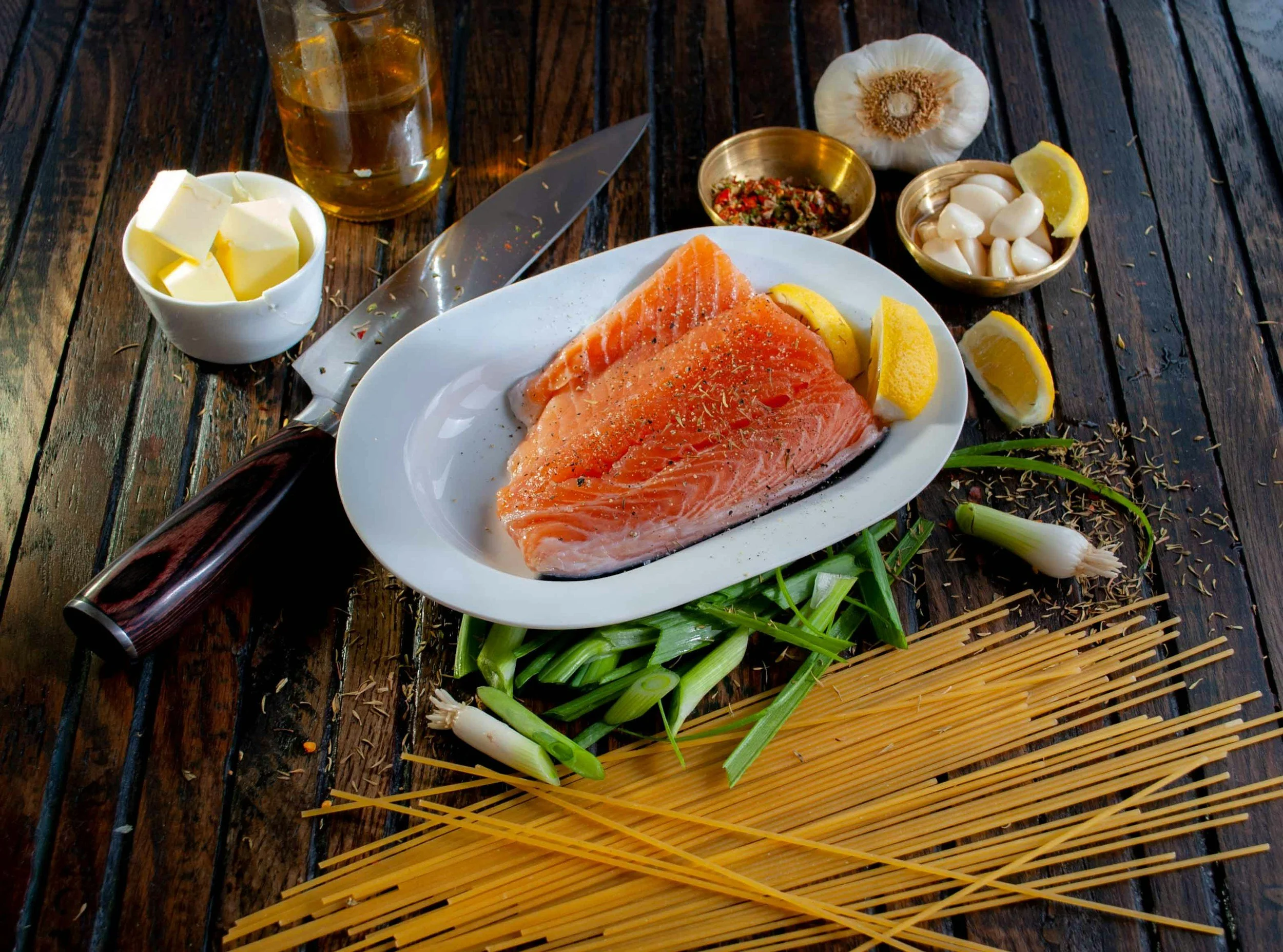
Hunger and hormone health are inextricably linked. How we fuel our bodies affects everything from your daily mood to the intensity of PMS symptoms at the end of your cycle. If you're aiming to beat brain fog, reach your ideal weight, regulate your cycle, or clear up hormonal acne, starting with hormone health is a smart move.
Nourished, happy hormones are the secret to feeling your absolute best every single day. But let's be real—with conflicting info bombarding you from friends, family, Instagram influencers, doctors, TikTok, magazines, and TV, figuring out how to eat can feel downright anxiety-inducing.
The good news? Eating for healthy hormones boils down to a straightforward formula. Once you get it, stocking your fridge and pantry becomes second nature. Here's the magic equation:
Protein + Carbohydrates + Fat = Balanced Blood Sugar
Balanced Blood Sugar = Happy Hormones
Now that you've got the formula, food doesn't have to be stressful or boring—it's about to get exciting and empowering!

Protein: The Foundation of Every Meal
Start here: The base of every meal (and aim for three to four meals a day) should be a quality protein. This surprises many women, but we need about 20-30 grams of protein per meal to keep hormones balanced and maintain an ideal weight.
Why? Protein keeps you satiated, curbs cravings, and supports overall hormone health. Shifting to high-quality proteins is a game-changer—who doesn't want to feel full and energized without the constant snack attacks?
Whether you're a meal-prepper or love improvising, high-quality animal proteins are essential. They're complete proteins, packing all the essential amino acids your body needs.
As you build this habit, label-reading is key. It clues you in on the animal's life quality, which directly impacts the nutrition you get—and how your body feels. Look for these keywords when shopping:
Grass-fed: Animals fed their natural grass diet, making the meat leaner, lower in calories, and free from synthetic hormones or growth antibiotics. Bonus: Seek "grass-finished" to ensure no grain feedlot time.
Sustainably or wild-caught: For fish, this means they thrived in natural habitats on their ideal diet. Check seafoodwatch.org for responsible sourcing tips.
Certified naturally grown: A budget-friendly alternative to organic, ensuring no pesticides, hormones, antibiotics, or GMOs.
Organic: Animals with outdoor access, no antibiotics or hormones, and 100% organic feed.
Pasture-raised: Livestock and poultry that roamed and grazed freely.
Often the best quality meats can be found locally. Search for ranchers or butchers near you and don’t be afraid to ask them about the quality of their products.
Carbohydrates: The Misunderstood Heroes
Carbs have gotten a bad rap for decades, thanks to trends like Atkins, keto, and carnivore mania. If you've been holding onto your carbs or wishing for their comeback, rejoice—they're the good guys!
Carbs provide energy, boost immune function, calm your nervous system, and help produce thyroid hormones. They're crucial for women to function at our best. Studies show low-carb diets can mess with iron levels, immune response, and stress handling during exercise. Plus, skimping on carbs reduces kispeptin production, which regulates sex hormones and reproduction—leading to irregular periods or anovulatory cycles. Add in life stress, and it's a hormone disaster.
Not all carbs are equal, though. They're made of fiber, starch (complex carbs for sustained energy), and sugar (simple carbs that spike blood sugar). For balance, prioritize fiber and starch, minimize sugar—especially hidden in packaged foods.
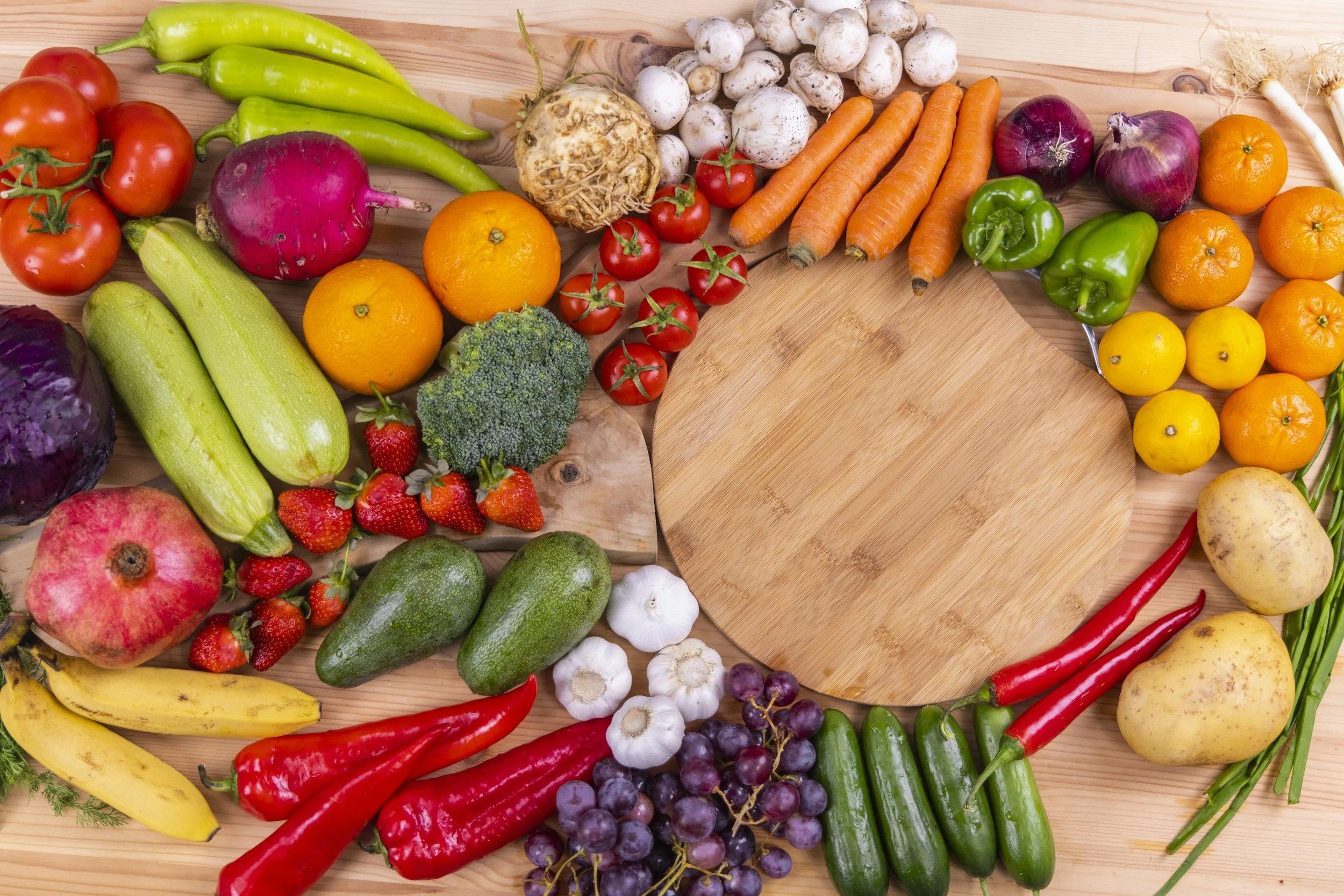
Most produce-section carbs (fruits and veggies) are winners. Complex carb examples include:
Whole grains: Quinoa, brown rice, jasmine rice, basmati rice, black rice, wild rice, millet, buckwheat, gluten-free oats.
Starchy fruits and veggies: Apples, bananas, plantains, jackfruit, dried figs; beans, butternut squash, chickpeas, corn, lentils, parsnips, peas, potatoes, sweet potatoes, taro, yams.
Non-starchy fruits and veggies: Blueberries, raspberries, blackberries, strawberries, melons, citrus, peaches, plums, apricots, cherries, pears; artichokes, asparagus, bean sprouts, Brussels sprouts, broccoli, cabbage, cauliflower, celery, cucumber, eggplant, mushrooms, onions, peppers, salad greens, spinach, tomatoes, turnips, zucchini.
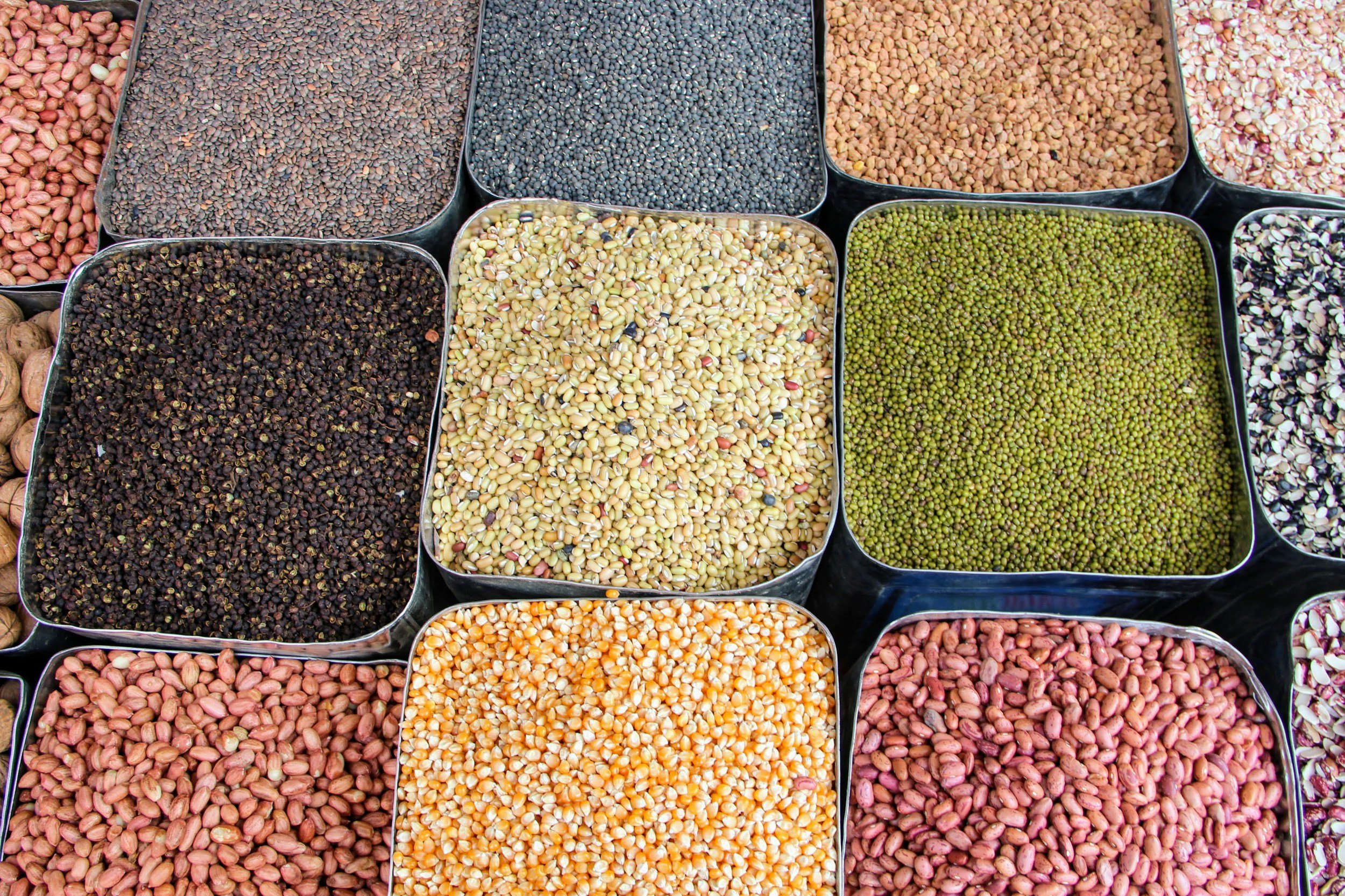
Legumes: Lentils, split peas, adzuki beans, black beans, navy beans, chickpeas, cannellini beans, great northern beans, lima beans, mung beans, kidney beans.
These make fantastic sides or bases to pair with protein. Use the EWG's Clean Fifteen and Dirty Dozen lists to decide on organic vs. conventional buys, and shop bulk bins to save cash.
Dr. Lara Briden recommends about 150 grams of carbs daily from whole-food sources—that's plenty, with a serving per meal. If you're super active, bump it up!
Fiber: The Unsung Hero for Digestion and More
Fiber's already in carbs, but it deserves its own spotlight. Most adults need 35 grams daily, yet Americans average just 15.
Why bother? Fiber aids regular elimination, prevents disease, and nurtures a healthy gut microbiome.
Break it down:
Soluble fiber: Dissolves in water, lowers glucose and cholesterol. Sources: Oatmeal, chia seeds, nuts, beans, lentils, apples, blueberries.
Insoluble fiber: Promotes digestion and prevents constipation. Sources: Whole wheat, quinoa, brown rice, legumes, leafy greens, almonds, walnuts, seeds, fruits with skins.
Easy boosts: Add chia to oatmeal or yogurt, try seed cycling, sneak veggies into soups/stews, swap chips for raw veggies with hummus, prep bean chili or lentil salads, or top greens with nuts.

Fats: Essential for Vitality
Remember the '90s low-fat craze? Turns out, fats are heroes for brain function, hormone production, metabolism, energy, immunity, and fighting inflammation.
Quality counts—opt for omega-3-rich, anti-inflammatory sources:
Avocados, olives, coconut
Nuts, seeds, raw nut/seed butters
Oils (avocado, olive, coconut)
Grass-fed butter, ghee
Fatty fish like salmon, mackerel, tuna
Eggs
Aim for 75-80 grams daily to amp up satiety and keep you full longer.
Putting It All Together
Balanced blood sugar is the path to thriving, and the formula is simple:
Protein + Carbohydrates + Fat = Balanced Blood Sugar = Happy Hormones.
Follow it, and you'll see shifts in energy, mood, cycle regularity, and body composition. Food is fuel—choose the purest sources for the best results!
In Balanced Blood Sugar Recipes, you'll find well-balanced meals from the Spring to Life Method—follow them as-is or get inspired. For off-the-cuff creations, start with protein and build using the Macro Meal Builder tool. It's foolproof!
Ready to dive in? Head to the Recipe page for more, and subscribe to the newsletter for recipe drops, and tips. Let's fuel those happy hormones together—what's one change you'll make today? Drop a comment below!
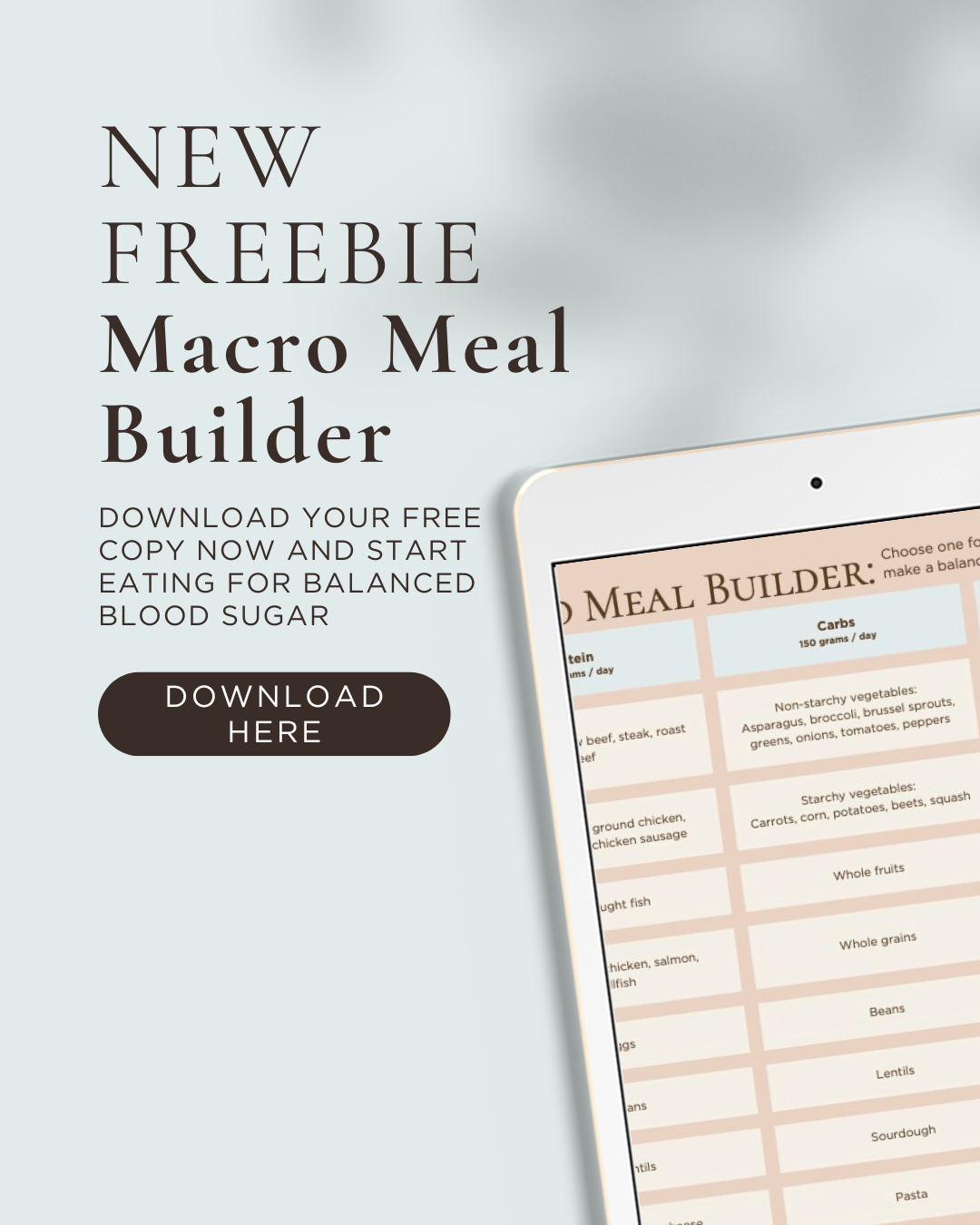
A cheat sheet for creating simple, nourishing balanced blood sugar meals with what you have on hand.