Understanding Perimenopause & Menopause: Symptoms, Age & Relief Guide
October is Menopause Awareness Month, making it the perfect time to address a vital women’s health topic that has been neglected, stigmatized, and suffered through in silence for far too long.
While menopause is a natural stage in life, many women are left unprepared until common perimenopause symptoms begin to emerge. You might notice unexpected perimenopause weight gain, distressing perimenopause hair loss, persistent perimenopause fatigue, frequent perimenopause headaches, disruptive perimenopause night sweats, and sudden perimenopause hot flashes. Let’s clear up the confusion and answer the most key questions about perimenopause and menopause:
Menopause when does it start, and perimenopause when does it start?
For menopause how long does it last?
What are the best lifestyle changes and perimenopause supplements or menopause supplements for relief?
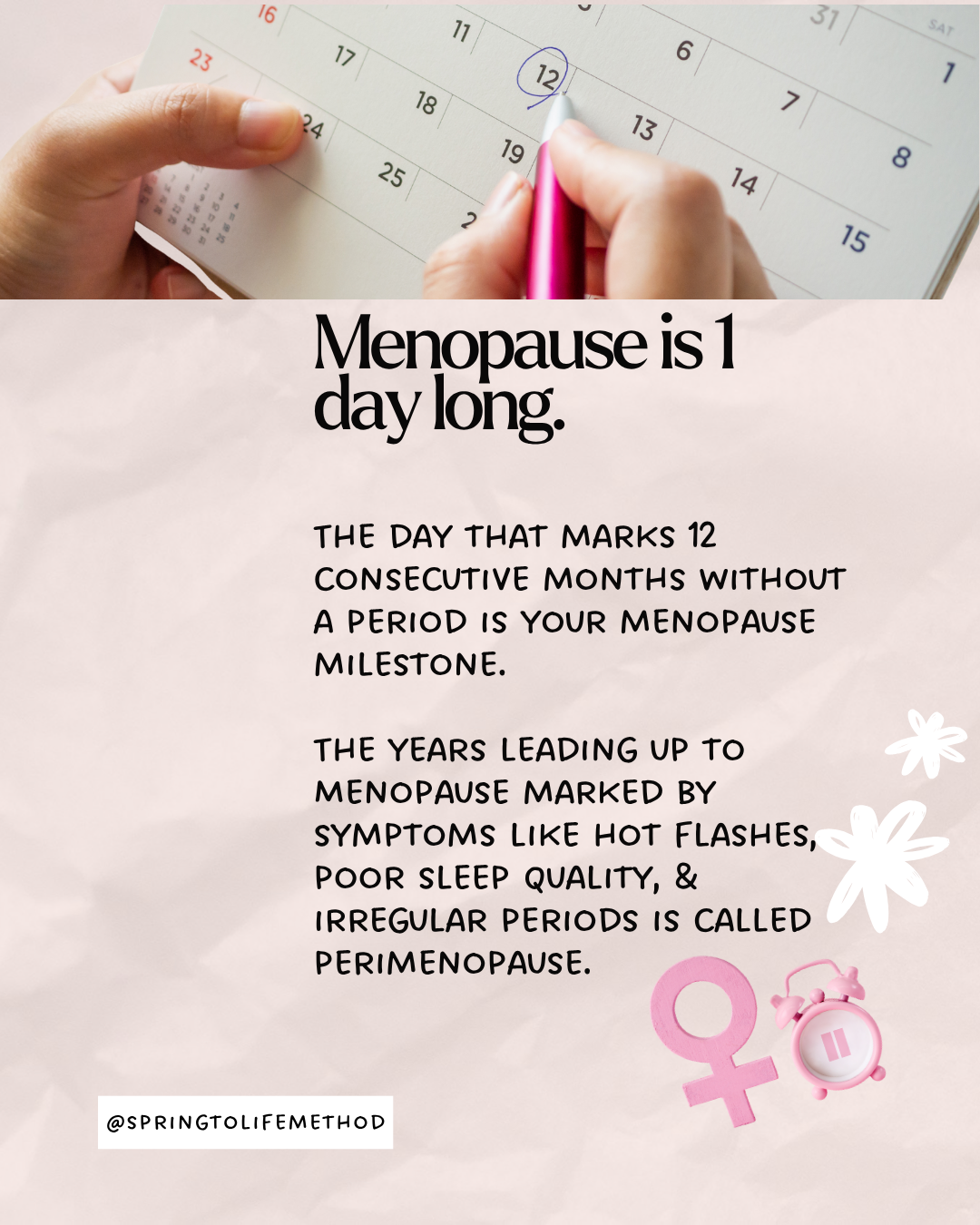
So, menopause… when does it start? You might be surprised to learn that menopause technically lasts for only one day: it is defined as the exact point 12 consecutive months after your last menstrual period. The typical menopause age ranges between 45 and 55, though it can occur anywhere from age 40 to 60+ (Tassone, 2021).
If menopause itself is just a single milestone, why do so many women experience challenging symptoms for years? That multi-year transition on the fertility spectrum is called perimenopause. During this period—which typically lasts 4 to 10 years—hormones like estrogen, progesterone, and testosterone fluctuate as ovarian function slows down. Periods become irregular until they cease completely. But for perimenopause… what age should you expect it? The average perimenopause age spans from a woman’s late 30s into her early 50s.
Perimenopause & Menopause Symptoms
Understanding the difference between perimenopause symptoms and general menopause symptoms empowers you to take control. Below is a breakdown of why these symptoms occur and actionable steps you can take to regain balance.
Symptoms of Estrogen Deficiency
Hot flashes
Night sweats
Vaginal dryness/atrophy
Relaxation of pelvic floor muscles
Insomnia
Changes to skin and hair
Cardiac issues
Weight gain
Mood swings
Depression
Symptoms of Testosterone Deficiency
Diminished genital arousal and orgasmic response
Chronic or acute fatigue
Weight gain
Interrupted sleep
Hair thinning/loss
Osteoporosis/osteopenia
Decreased sexual desire
Symptoms of Progesterone Deficiency
Breast tenderness/fibrocystic breasts
Fibroids
Catamenial migraines
Hot flashes
Night sweats
Severe PMS/PMDD
(Tassone, 2021)
While this list of symptoms can feel daunting, effective relief is within reach. By combining medical support, target nutrition, and high-quality menopause supplements, you can ease your transition and optimize your overall well-being.
Hormone Replacement Therapy
First on the list is hormone replacement therapy or HRT. HRT has surged in popularity and accessibility since the FDA removal of black box warnings in late 2025. A modality that was safely employed for decades was suddenly removed from the market following a Women’s Health Initiative study that showed a higher risk for breast cancer despite the fact that the majority of the women in the study were over 63 years old (past menopausal age) and were given a hormone formulation that is no longer in use. (FDA, 2025). Following a comprehensive review, the black box warning was removed to facilitate healthy aging for women.
Randomized studies show that women who initiate HRT within 10 years of the onset of menopause (generally before age 60) have a reduction in all-cause mortality and fractures. Women may also reduce their risk of cardiovascular diseases by as much as 50%, Alzheimer’s disease by 35%, and bone fractures by 50 to 60%. Though the time of HRT and duration of use are decisions to be made between the prescriber and the individual patient, the FDA’s labeled recommendation will be to start HRT within 10 years of menopause onset or before 60 years of age for systemic HRT. (FDA, 2025)
There are many forms of hormone replacement therapy like pills, patches, creams, and pellets. Talk to your doctor about whether estrogen, progesterone, testosterone, or DHEA hormone replacement therapy is right for you.

Nutrition
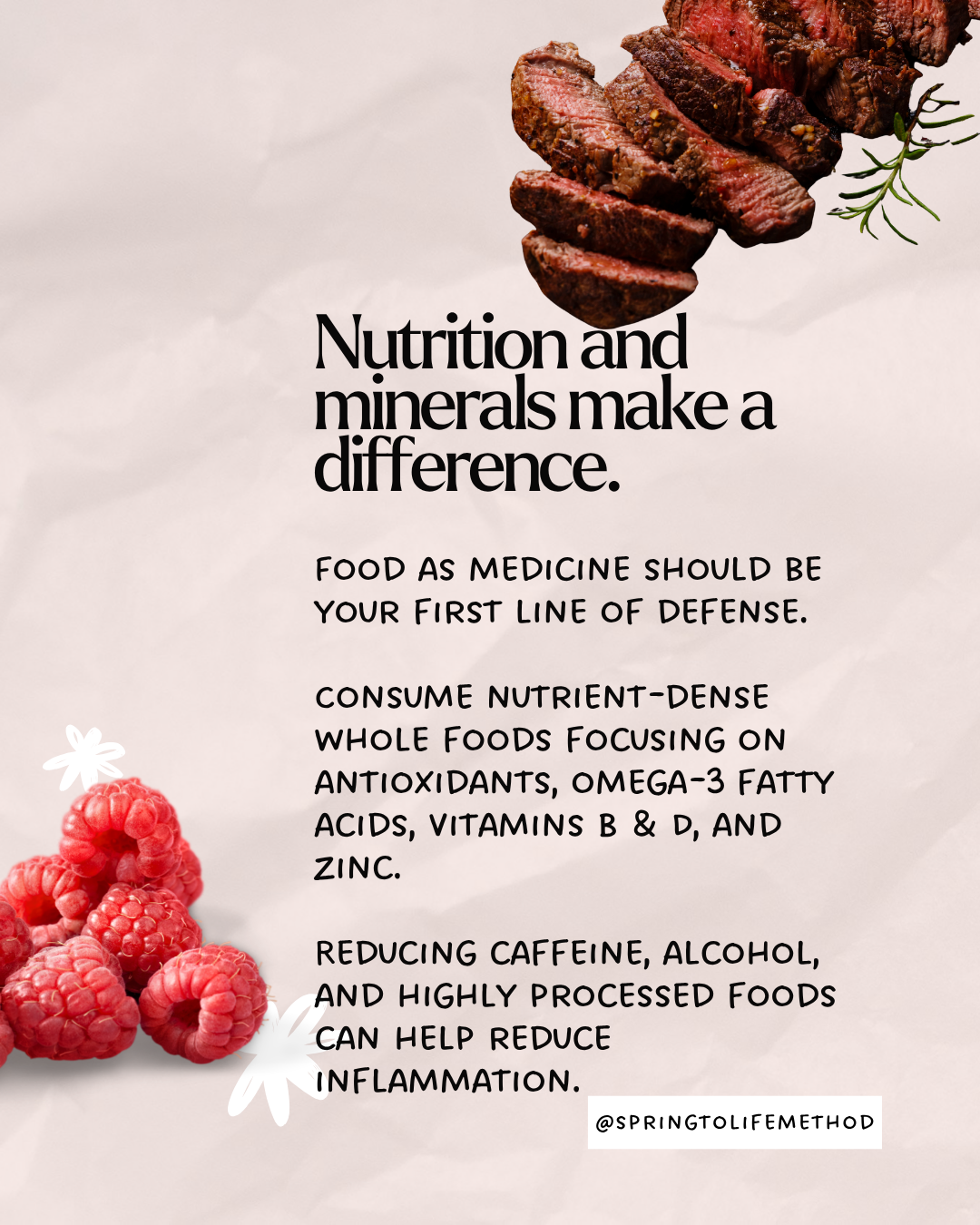
What you eat is an often overlooked piece of the puzzle when it comes to managing hormonal imbalances. The truth is that food can be a powerful medicine used to replenish nutrient stores needed to produce adequate amounts of hormones like estrogen, progesterone, and testosterone. The key is to include a wide variety of nutrient-dense whole foods like the ones highlighted below.
Nutrition - Foods to INCLUDE
Antioxidant-containing fruits and vegetables
Bell peppers of all colors
Broccoli
Brussels sprouts
Cantaloupe
Carrots
Eggplant (including skin)
Sweet potatoes
Butternut squash
Soy
Fermented soy milk
Miso
Natto
Soy sauce
Tempeh
Foods rich in vitamin B12
Red meat (beef, beef liver, lamb)
Fish (salmon, mackerel, sardines)
Poultry
Eggs
Dairy products
Foods containing L-Tryptophan
Turkey
Eggs
Cheese
Salmon
Soy (fermented)
Spinach
Seaweed
Pineapple
Foods containing high levels of omega-3 fatty acids
Fish
Wild-caught salmon, salmon oil, and tuna
White fish (herring and mackerel)
Sardines and anchovies
Cod liver oil
Nuts, seeds, and oils
Walnuts, brazil nuts, cashews, hazelnuts, butternuts
Flaxseeds, hemp seeds, and chia seeds
Coconut oil
Fish oil
Vegetables
Brussels sprouts
Kale, spinach, watercress
Seaweed, algae
Other
Natto
Egg yolks
Water
Dark chocolate
Foods high in vitamin D
Egg yolks
Tuna
Foods high in zinc
Oysters and other shellfish
Grass-fed beef
Chickpeas
Cashews
Mushrooms
Spinach
Nutrition - Foods to AVOID
On the flip side, there are certain foods that can exacerbate your symptoms. Try eliminating caffeine, alcohol, highly processed foods, and seed oils from your diet for 2-4 weeks and see if you feel a difference. These food items can negatively impact your adrenal function and circadian rhythm and cause widespread inflammation in your body. The key to success here is to have high-quality and enjoyable swaps ready to go. Swap your morning coffee for a cup of warm lemon water followed by bone broth or bone broth hot cacao. Trade your nightly glass of wine for an NA version like Prima Pave or Three Spirit. Make sure to keep plenty of fresh fruits and vegetables on hand for simple snacking with nut butters, hummus, or your favorite dips.

Exercise
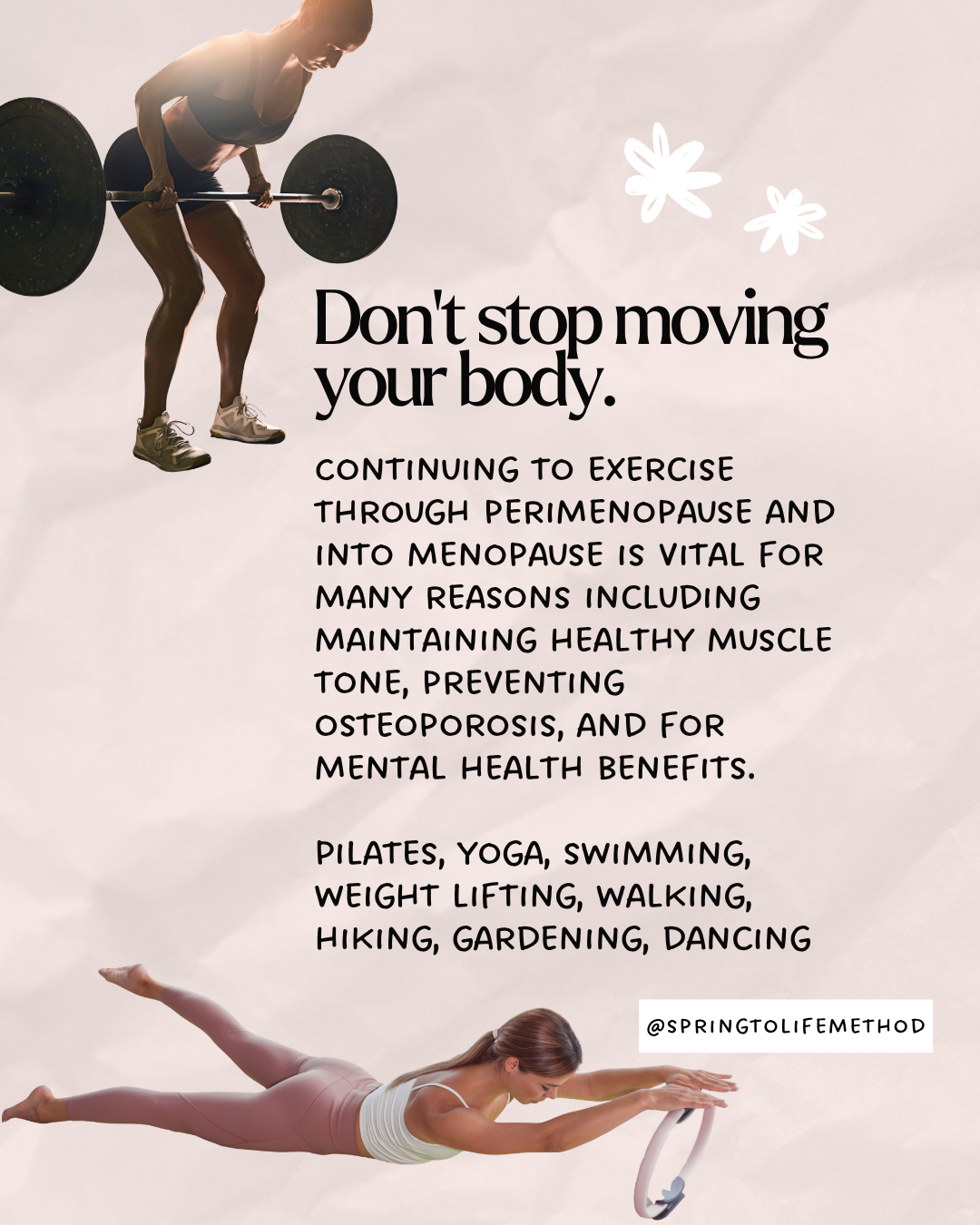
Continuing to exercise through perimenopause and into menopause is vital for many reasons including maintaining healthy muscle tone, preventing osteoporosis, and for mental health benefits as well. While body weight and weight bearing exercises are best for building muscle tone and maintaining bone density, choosing a wide variety of exercises that you enjoy is important. Pilates, yoga, swimming, weight lifting, walking, hiking, gardening, and dancing are all valuable forms of exercise that will carry you through transition with grace and ease.
Supplements
Targeted perimenopause supplements and menopause supplements are highly effective when combined with diet and lifestyle changes. Always consult your healthcare provider before starting a new regimen. Give supplements two to three months of consistent use to notice improvements and up to six months for optimal results.
Maca, an herb grown in Peru used for centuries to promote hormonal balance
Femmeenessence MacaHarmony (two months on, one week off)
Calcium and Vitamin D, to promote bone health and density
600-800mg/day of calcium
5,000-1,000 IU/day of vitamin D
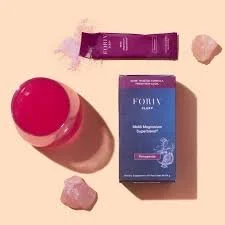
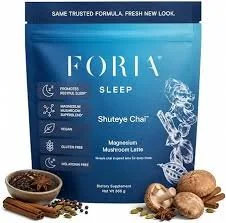
Magnesium, to improve sleep quality and muscle recovery
Shuteye Chai
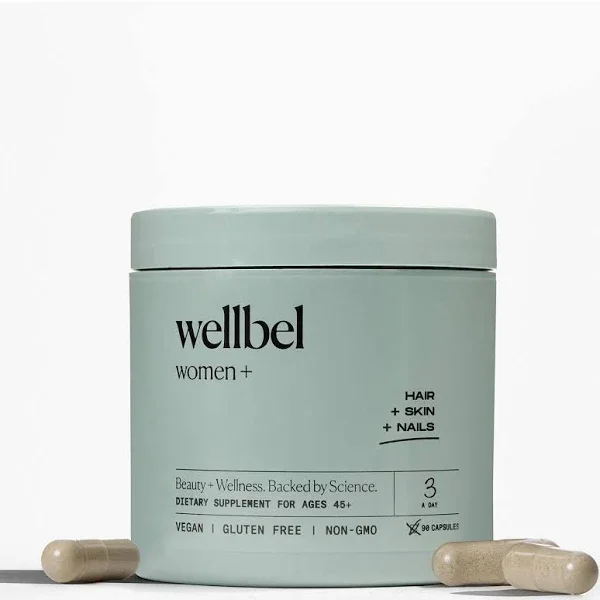
B vitamins, for thicker, fuller, stronger hair through perimenopause and menopause
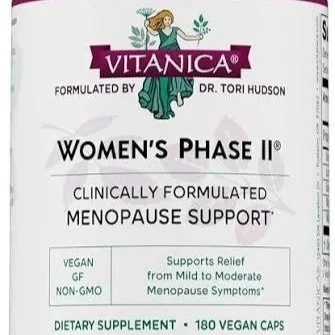
Vitanica Women’s Phase II, for relief from mild to moderate menopause symptoms such as hot flashes, mood changes, sleeplessness, and vaginal dryness
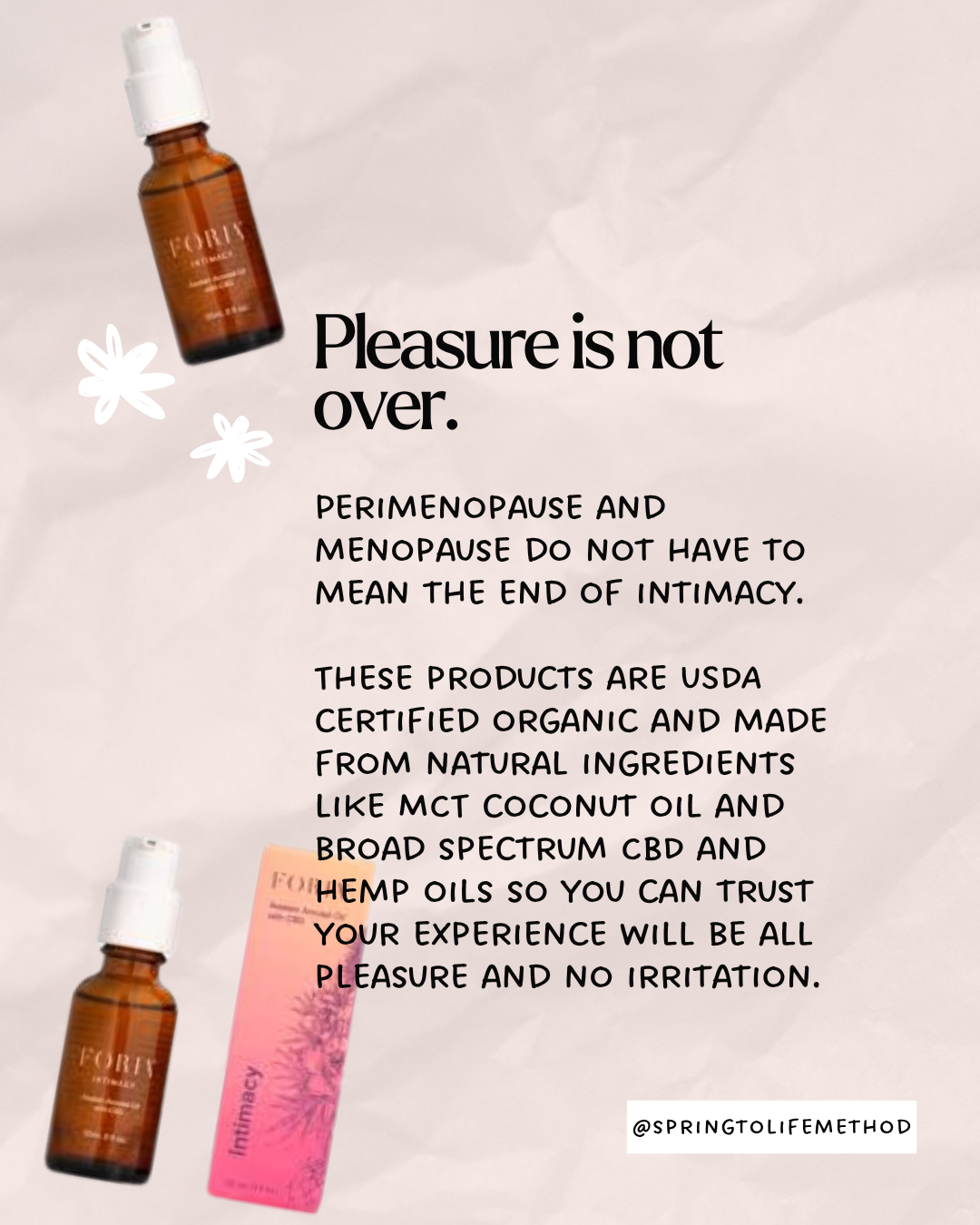
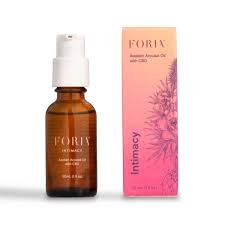
Perimenopause and menopause do not have to mean the end of intimacy, either. Through consistent practice of all the suggestions discussed in this article you can reduce or prevent atrophy of the vaginal wall and strengthen your pelvic floor (don’t skip Pilates!). For a little help in the bedroom, Foria Intimacy Awaken Arousal Oil and Sex Oil are your new best friends. These products are USDA certified organic and made from natural ingredients like MCT coconut oil and broad spectrum CBD and hemp oils so you can trust your experience will be all pleasure and no irritation.
Whether you are just beginning to notice the changes of perimenopause, are years deep, or have already experienced the transition into menopause, take solace in the fact that many women before us have made this pilgrimage and there are many things you can do to take charge of your health and enjoy a quality life for many years to come.
Shop all of my recommendations to make perimenopause and menopause feel like Midlife Magic!

References
Tassone, S. 2021. The Hormone Balance Bible. 204-210; 244-264.
FDA. 2025. HHS Advances Women’s Health, Removes Msleading FDA Warnings on Hormone Replacement Therapy. https://www.fda.gov/news-events/press-announcements/hhs-advances-womens-health-removes-misleading-fda-warnings-hormone-replacement-therapy